N2 K1 K2
Learn Pinyin, strokes, Chinese language reading & writing, children’s songs, and, ancient poetry.
Primary School
Word recognition and writing, reading comprehension, speaking, and composition. Lay a solid foundation for PSLE according to the MOE syllabus.
Secondary School
Chinese Basics, Reading comprehension, Oral examinations, and composition according to the MOE syllabus, to prepare for the O’ Levels exam.
Adults
By studying Mandarin at the center, adult students can deepen their understanding of Chinese culture, improve their Mandarin proficiency, and enhance their communication abilities in both personal and professional settings.
Conversational Chinese
In a conversational Chinese course, students learn common phrases, vocabulary, and grammar rules, as well as cultural customs and etiquette. The courses also emphasize pronunciation and the correct use of tones, which are key aspects of the Mandarin Chinese language.
HSK/YCT
HSK test covers a wide range of levels, from beginner to advanced, and assesses listening, reading, and writing skills, as well as grammar and vocabulary.
YCT is designed specifically for young learners, including primary and secondary school students. It focuses on the practical use of Mandarin Chinese in everyday situations and assesses listening and speaking skills.
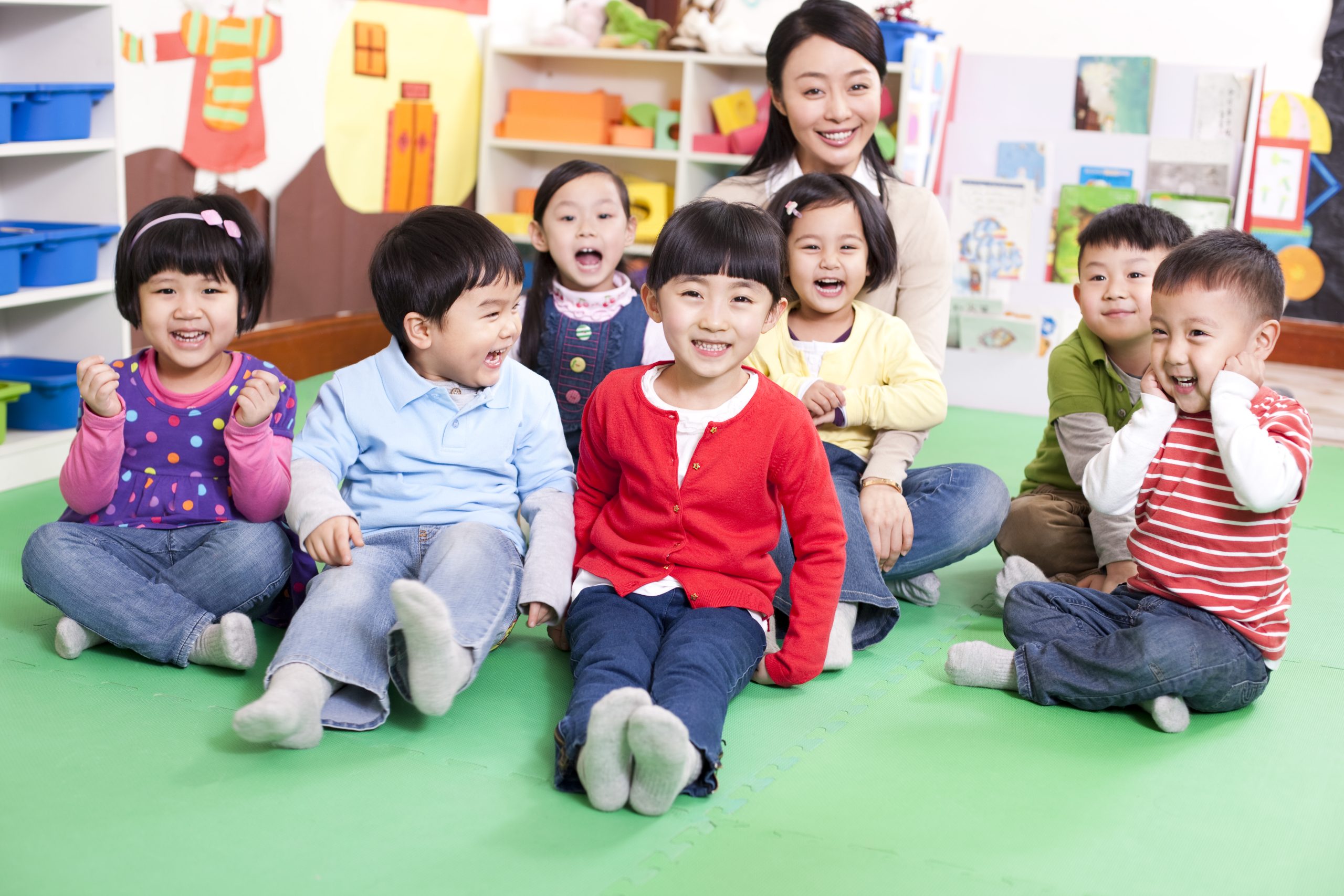
At Hua Xia, our K1 and K2 programs have a particular emphasis on the Chinese language and culture. Children in K1 may learn basic Chinese characters, pinyin (the Chinese phonetic system), and simple vocabulary related to daily life, such as colors, numbers, and animals. They may also learn about Chinese culture through stories, songs, and games.
In K2, children may learn more complex Chinese characters, basic sentence structures, and more advanced vocabulary related to topics like family, food, and holidays. They may also learn about Chinese traditions and customs, such as the Chinese New Year, dragon dancing, and Chinese calligraphy.
Our K1 and K2 programs in Chinese tuition centers are designed to be engaging and fun, with a focus on play-based learning activities. This helps to keep children interested and motivated, and also helps to foster a love of learning that can last a lifetime.
Age Level :
Age Level : 4 to 6 years Old
Class Size: 4
Class Durations:
N2: 1 Hour
K1 & K2: 1.5 Hours
N2 Class Activities:
- Introduction to the Chinese language through songs, rhymes, and ancient poetry.
K1 & K2 Class Activities :
- Incorporate play-based learning techniques and utilize tools that allow children to practice Chinese characters.
- Learning basic vocabulary and sentence structures
- Learning about Chinese culture, customs, and traditions
- Practice writing Chinese characters
- Basic conversation and pronunciation skills
- Group activities such as games, crafts, and role-playing exercises to promote social skills and cooperation
Age Level :
Age Level : 3 to 6 years Old
Class Size: 4
Class Durations:
N2: 1 Hour
K1 & K2: 1.5 Hours
N2 Class Activities:
- Introduction to Ping Ying
- Introduction to the Chinese language through songs, rhymes, and ancient poetry.
K1 & K2 Class Activities :
- Incorporate play-based learning techniques and utilize tools that allow children to practice Chinese characters.
- Learning basic vocabulary and sentence structures
- Learning about Chinese culture, customs, and traditions
- Practice writing Chinese characters
- Basic conversation and pronunciation skills
- Group activities such as games, crafts, and role-playing exercises to promote social skills and cooperation

At Hua Xia, our Primary school program aims to provide students with a comprehensive understanding of the Chinese language, covering listening, speaking, reading, and writing skills.
This curriculum includes learning Chinese vocabulary, sentence structure, and grammar, emphasizing the practical application of the language in everyday life. Additionally, classes may incorporate Chinese culture and history to enrich students’ understanding of the language.
Age Level :
Primary 1 to 6
Class Size: 6
Class Durations :
Primary 1 to 2: 2 Hours
Primary 3 to 6 : 2 or 3 Hours
Primary 1 – 6 Class Activities:
- Word recognition and writing are critical components of the Chinese language curriculum. Students will learn to recognize and write Chinese characters, building their knowledge of radicals, strokes, and components.
- Reading comprehension is another key component of the Chinese language curriculum. Students are taught to read and comprehend texts in Chinese, including stories, articles, and news reports. They learn to identify the main ideas, themes, and arguments presented in these texts, and to analyze and interpret them.
- Speaking is also an essential aspect of the Chinese language curriculum. Students learn to speak Chinese fluently and accurately, building their skills in pronunciation, intonation, and expression. They also learn to communicate effectively in different contexts, such as in formal presentations, informal conversations, and debates.
- Composition is a critical skill for PSLE success. Students will learn to write Chinese essays and compositions, which require them to apply their knowledge of Chinese vocabulary, grammar, and syntax. They learn to plan, organize, and structure their writing, developing their skills in argumentation, persuasion, and exposition.

At Hua Xia, our secondary school program prepares students for the O Level Chinese examination according to the MOE syllabus, students need to have a strong foundation in Chinese basics, reading comprehension, oral examinations, and composition.
Chinese basics include understanding the Chinese language system, such as pinyin, tones, radicals, and stroke order. Students need to master the basics of Chinese vocabulary, grammar, and syntax to understand more complex texts and to communicate effectively in Chinese.
Reading comprehension is a critical component of the O Level Chinese examination. Students must be able to read and understand various types of texts, such as literary works, news articles, and scientific reports. They need to analyze and interpret the meaning of the texts and identify key themes and arguments presented.
Oral examinations are another crucial component of the O Level Chinese examination. Students need to be able to express themselves in Chinese fluently and accurately, using appropriate vocabulary, grammar, and syntax. They should be able to communicate effectively in various contexts, such as in group discussions, presentations, and interviews.
Composition skills are also essential for O Level Chinese examination success. Students need to be able to write well-structured and well-argued essays and compositions in Chinese. They must be able to plan, organize, and develop their writing in a logical and coherent manner, using appropriate vocabulary, grammar, and syntax.
Age Level :
Secondary 1 to 4
Class Size: 6
Class Durations:
Secondary 1 to 2: 2 Hours
Secondary 3 to 4: 2 Hours
Secondary 1 – 4 Class Activities:
- Grammar and vocabulary exercises: These activities focus on helping students improve their knowledge of Chinese grammar and vocabulary, which are essential for success in the O Level Chinese examination.
- Comprehension exercises: These activities aim to improve students’ reading comprehension skills by exposing them to different types of Chinese texts, such as news articles, literary works, and scientific reports.
- Writing exercises: These activities focus on developing students’ writing skills by teaching them how to plan, organize, and structure their writing, and how to use appropriate vocabulary, grammar, and syntax.
- Oral practice sessions: These activities aim to improve students’ oral communication skills by providing them with opportunities to speak Chinese in different contexts, such as group discussions, debates, and presentations.
- Exam preparation: These activities aim to help students prepare for the O Level Chinese examination by providing them with practice papers, exam strategies, and tips on how to manage their time during the exam.

At Hua Xia, our adult programs are designed to help learners develop their reading, writing, listening, and speaking skills. These classes may be structured as traditional classroom lectures or interactive sessions that involve role-playing, group discussions, and other activities such as negotiating, giving presentations, and writing business emails that simulate real-life situations.
Adult Chinese tuition centers also offer cultural and social activities that aim to expose learners to Chinese culture and traditions.
In addition to these activities, adult Chinese tuition centers may also provide online resources and tools that learners can use to supplement their classroom instruction. These resources may include video lectures, e-books, and mobile apps that provide learners with additional opportunities to practice their Chinese language skills.
Age Level :
University
Class Size: 4
Class Durations:
Adults: 1.5 Hours
One-to-One: 1 Hour
Adults Class Activities:
- Language classes: These classes cater to adult learners with different proficiency levels and learning objectives in conversational Chinese, business Chinese, and academic Chinese.
- Reading and writing practice: These activities focus on improving the reading and writing skills of adult learners, which are important for daily communication, academic pursuits, or professional advancement.
- Speaking practice: These activities aim to improve the speaking skills of adult learners by providing them with opportunities to engage in discussions, debates, and presentations.
- Cultural and social activities: These activities aim to expose adult learners to Chinese culture and traditions, and to provide them with opportunities to interact with native Chinese speakers.
- Exam preparation: These activities aim to help adult learners prepare for the HSK (Hanyu Shuiping Kaoshi) exam, which is an internationally recognized proficiency test for non-native Chinese speakers.
- Online resources and tools: Adult Chinese tuition centers may provide online resources, such as video lectures, e-books, and mobile apps, to supplement classroom instruction and help adult learners practice Chinese on their own.
- Personalized coaching and feedback: Adult Chinese tuition centers may provide personalized coaching and feedback to address the specific learning needs and challenges of adult learners.

At Hua Xia, our conversational Chinese program uses various techniques and strategies to help learners improve their listening and speaking skills. For example, instructors may use multimedia resources, such as videos and audio recordings, to expose learners to different accents and intonations used by native speakers. They may also use role-playing and simulation activities to help learners practice and improve their speaking skills.
The conversational Chinese program also includes cultural and social activities that expose learners to Chinese culture and traditions. These activities may include attending Chinese festivals, participating in Chinese language exchange programs, or watching Chinese movies with English subtitles.
In addition to classroom instruction, we provide learners with access to online resources and tools that they can use to supplement their classroom learning. These resources may include mobile apps, e-books, and other interactive tools that provide learners with additional opportunities to practice their Chinese language skills.
Class Durations:
Conversational Language: 1.5 Hours
Conversational Chinese Class Activities:
- Role-playing and Simulation Activities: Role-playing and simulation activities are designed to help learners practice their speaking skills in real-life situations.
- Learners may engage in role-plays, such as ordering food at a restaurant, making phone calls, or asking for directions.
- Multimedia Resources: Instructors may use multimedia resources, such as videos and audio recordings, to expose learners to different accents and intonations used by native speakers. This helps learners to improve their listening skills and to develop an understanding of the Chinese language’s rhythm and intonation.
- Cultural and Social Activities: Cultural and social activities, such as attending Chinese festivals, participating in Chinese language exchange programs, or watching Chinese movies with English subtitles, expose learners to Chinese culture and traditions. This helps learners to appreciate the language and understand the Chinese people’s values and customs.
- Mobile Apps and Other Interactive Tools: The program may provide learners with access to online resources and tools that they can use to supplement their classroom learning. These resources may include mobile apps, e-books, and other interactive tools that provide learners with additional opportunities to practice their Chinese language skills.
- Group Discussions: Group discussions are designed to encourage learners to speak and share their opinions with their peers. This helps learners to improve their speaking and listening skills, as well as to develop critical thinking and problem-solving abilities.

HSK (Hanyu Shuiping Kaoshi) and YCT (Youth Chinese Test) are standardized tests for non-native speakers of Chinese who wish to assess and certify their Chinese language proficiency.
At Hua Xia, the HSK test is designed for adult learners and consists of six levels, ranging from HSK 1 (beginner) to HSK 6 (advanced). The YCT test is designed for younger learners and consists of four levels, ranging from YCT 1 (beginner) to YCT 4 (intermediate).
The HSK and YCT tests assess learners’ reading, listening, and writing abilities in Chinese. They also evaluate learners’ understanding of Chinese grammar, vocabulary, and sentence structure.
These courses may provide learners with comprehensive instruction in Chinese grammar, vocabulary, and sentence structure, and focused training in reading, listening, and writing.
Class Size: 4
Class Durations:
HSK/YCT: 1.5 Hours
HSK/YCT Activities:
- Comprehensive Instruction: The courses may provide comprehensive instruction in Chinese grammar, vocabulary, sentence structure, and other relevant concepts covered in the HSK/YCT tests. The instructors may use a range of teaching methods, such as lectures, interactive discussions, and group activities, to help learners gain a thorough understanding of the Chinese language.
- Mock Tests and Exam Simulations: The courses may offer mock tests and exam simulations that mirror the format and difficulty level of the HSK/YCT tests. These tests help learners to become familiar with the test’s structure and develop test-taking strategies.
- Vocabulary and Grammar Drills: The courses may include vocabulary and grammar drills that help learners to reinforce their knowledge of the Chinese language. The drills may be designed to focus on particular areas of weakness that learners need to improve.
- Listening and Reading Comprehension Practice: The courses may offer practice exercises that focus on improving listening and reading comprehension skills. The instructors may use multimedia resources, such as videos and audio recordings, to provide learners with exposure to different accents and intonations used by native speakers.
- Writing and Speaking Exercises: The courses may include writing and speaking exercises that help learners to improve their ability to communicate effectively in Chinese. The instructors may use a range of techniques, such as role-playing and simulation activities, to help learners develop their speaking and writing skills.
- Online Resources and Tools: The courses may provide learners with access to online resources and tools that they can use to supplement their classroom learning. These resources may include mobile apps, e-books, and other interactive tools that provide learners with additional opportunities to practice their Chinese language skills.